

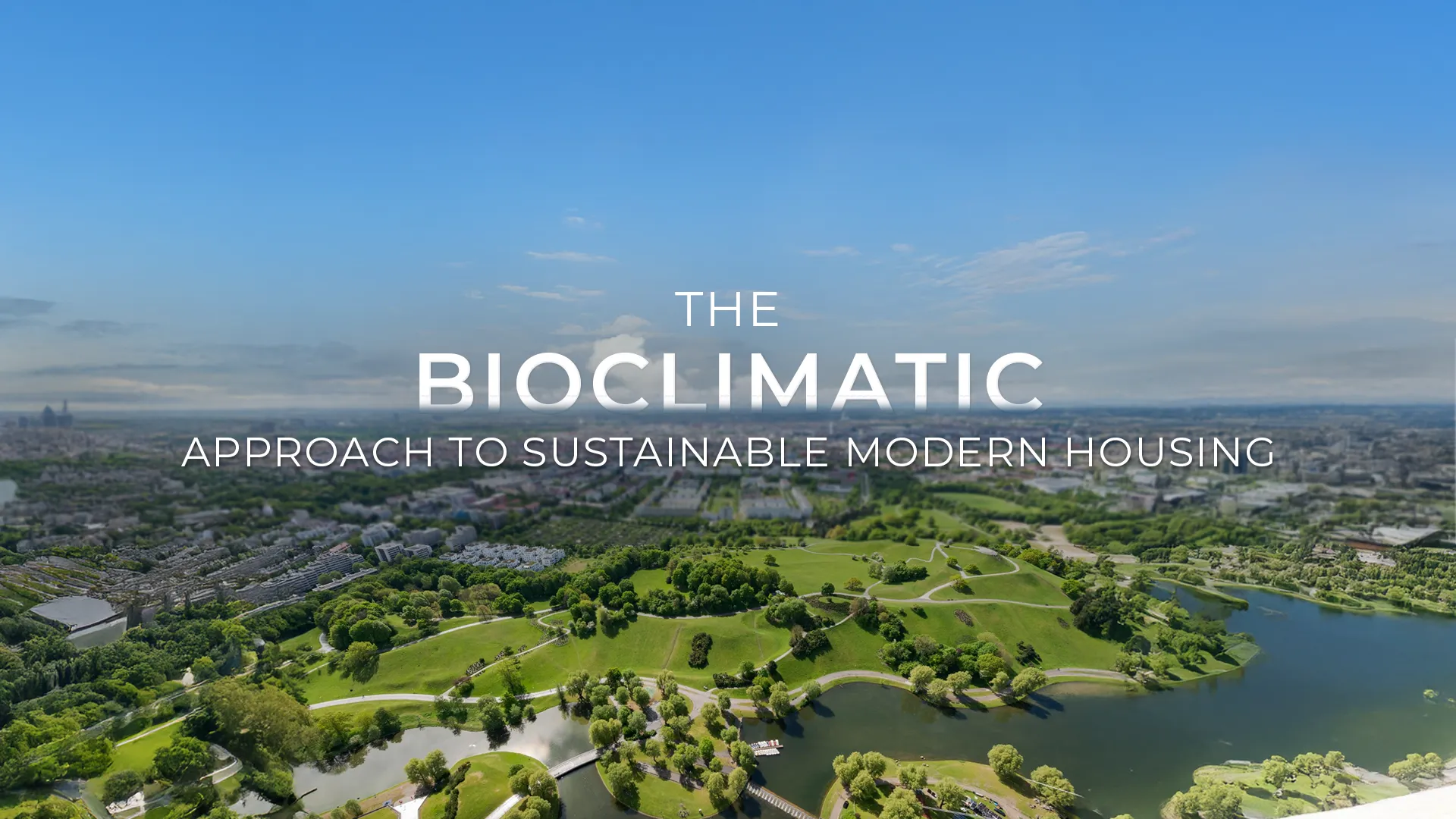
Prime Land Promoters & Builders has become synonymous with the concept of a “Bioclimatic Township,” but there’s still so much to be discovered about this unique model that’s slowly making its mark on the Indian market.
We’re living in a crisis today. Pollution levels are on the rise, climatic events are becoming more frequent, and there are growing challenges everywhere. There are harmful particles in the air, now linked to cancer risks, and it’s clear that something must change. The way we live, breathe, and carry out our daily activities needs a serious rethink.
India, a vast nation with a rapidly increasing population, faces numerous challenges in addressing the diverse needs of its citizens, health, housing, education, and beyond. As these challenges continue to multiply, it’s easy to ignore the root problem, which is far bigger. The country needs a model of living that aligns with human needs and doesn’t disrupt natural conditions. At Prime Land Promoters & Builders, we recognized these underlying issues and set out to create, or at least start a revolution for a healthy, green-focused future. Years ago, we introduced our Wellness City model, which brought together new technologies and innovations aimed at changing the face of real estate in India. Our vision was bold, and before it could become a reality, we needed our allies to trust in it, our investors to share our enthusiasm, and our team to believe wholeheartedly in the journey ahead.
It wasn’t easy. The concept of a township designed to solve multiple problems at once was unheard of. But the real challenge wasn’t in addressing these issues, it was in introducing a new way of living: the Bioclimatic approach.
Bioclimatic living was unheard of in India. Developers hadn’t even dared to consider it, and the idea hadn’t crossed people’s minds about what they might be missing all these years. While the concept of sustainable living is gradually catching on, introducing such a new way of life is always met with resistance. Many view it as an enormous challenge that requires the efforts of millions to succeed, but does that mean no one takes the first step?
We knew the problem with existing townships wasn’t that they weren’t equipped; housing townships today offer all kinds of amenities to entertain residents. But it’s time to rise above that. We need to take a logical, holistic view that addresses the bigger picture, focusing on a model of living that nurtures every aspect of being: physical, mental, spiritual, and emotional. That’s why we founded THE WELLNESS CITY, integrating bioclimatic architecture into its development model. In simple terms, it’s a model that focuses on buildings that are designed to work in harmony with the local climate.
In broader terms, Bioclimatic architecture is an approach to construction that optimizes solar radiation and natural airflow for heating and cooling purposes. The goal is to save energy while maintaining maximum comfort using the power of natural resources.
Over the past two decades, bioclimatic design has emerged as a key approach in architecture, representing a growing commitment to sustainability, energy efficiency, and occupant comfort. This design philosophy centers around creating buildings that harmonize with their local climate and environment, taking full advantage of natural resources while minimizing energy consumption. Through carefully planned features like shading devices, solar heating systems, and natural airflow strategies, bioclimatic design ensures structures adapt to and benefit from the surrounding environment.
One core principle of bioclimatic architecture is harnessing solar energy for heating and cooling, which reduces the reliance on mechanical systems and lowers energy consumption. Methods like passive solar design and Trombe walls allow buildings to absorb and store thermal energy during the day, releasing it at night to maintain a comfortable indoor temperature. Additionally, natural ventilation is optimized to improve indoor air quality and promote passive cooling through cross-ventilation and cool breezes, especially in warmer climates.
Shading devices play a crucial role in bioclimatic design. These can range from simple overhangs and awnings to advanced dynamic systems that adjust in response to solar exposure. With proper placement, these devices reduce excessive heat gain during the summer, while allowing for sunlight penetration during the colder months for passive heating. The balance between sunlight and shading helps minimize the need for artificial lighting and mechanical heating and cooling.
Thermal storage systems further enhance the efficiency of bioclimatic buildings by storing excess heat during the day and releasing it when temperatures drop, stabilizing indoor climates without additional energy inputs. Evaporative cooling methods, such as green roofs and water features, use the cooling effect of water evaporation to naturally cool buildings, reducing reliance on air conditioning.
Ultimately, the goal of bioclimatic design is to create buildings that meet the energy needs of occupants while minimizing environmental impact. By reducing the need for artificial heating and cooling, these designs lower carbon footprints and reduce operating costs, promoting a more sustainable built environment. As the global demand for sustainable architecture grows, bioclimatic design will continue to evolve, integrating new technologies and materials, while staying rooted in the timeless idea of using nature to achieve comfort and efficiency.
The Wellness City isn’t just a place designed to showcase the intricacies of Bioclimatic Architecture. It’s a space built to nurture lifestyles centered around holistic well-being. In a world filled with daily hustle, bustling streets, and constant noise, it’s essential that people have a retreat to enjoy daily, not just somewhere to escape to occasionally. This is not just a concept; it is a way of life. A way of living that is in harmony with nature, fosters health and happiness, and helps individuals lead fulfilling, balanced lives. The Wellness City offers not just a home, but a vision for the future of living. It’s time to experience life as it was always meant to be grounded, sustainable, and truly harmonious.

3 Comments
Hamila Soni
February 13, 2023Nor again is there anyone who loves or pursues or desires to obtain pain of itself, because it is pain, but because occasionally circumstances occur in which toil and pain can procure him some great pleasure physical exercise, except to obtain.
reland
February 13, 2023Eam soluta dicunt cu. Est ad oporteat appellantur, per dicta pertinax cu. Iusto quando conceptam vim ad, an sed explicari appellantur. Accumsan pericula usu an, in pri dolorum denique. Cu movet debitis cum
William
February 13, 2023Denouncing pleasure and praising pain was born and I will give you a complete account of the system, and expound the actual teachings of the great explorer of the truth, the master-builder of human happiness. No one rejects, dislikes, or avoids pleasure itself